The Original Black Face: The forgotten story of minstrel shows
Minstrel shows were the peak of white entertainment in the early 19th century to the mid 20th century. In this article we’ll explore its fascinating origins, its rise in popularity and the swift decline and effects on today’s world.
The Beginning- What is a minstrel show?
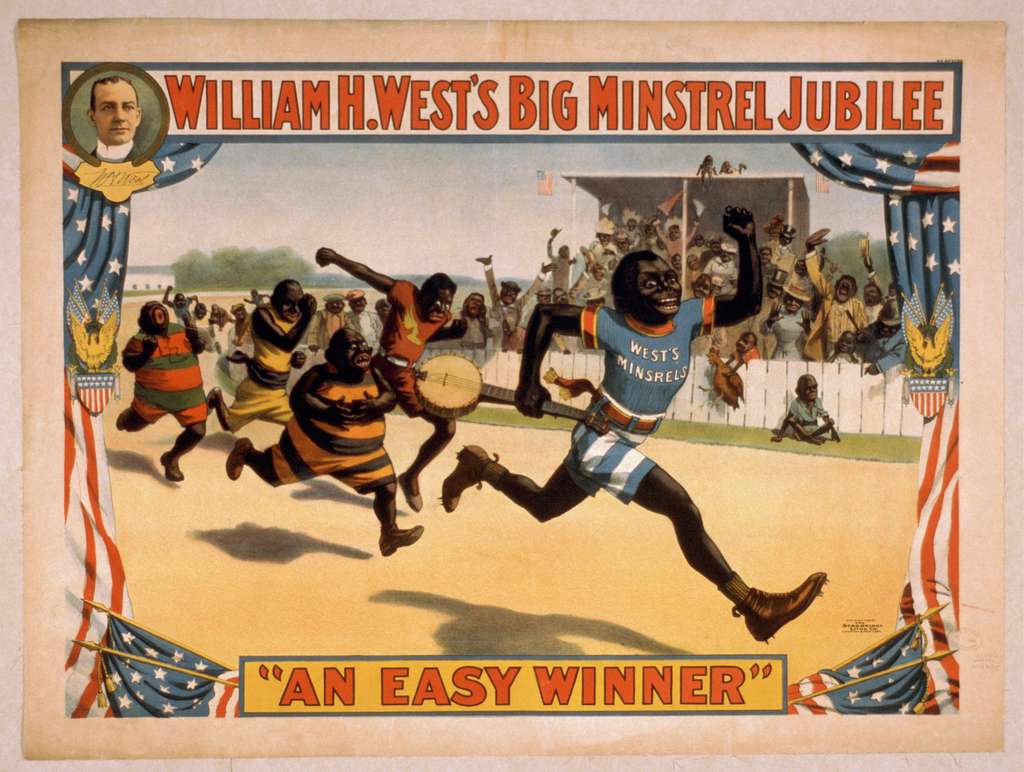
Minstrel shows were the first only American form of entertainment and was an act of comedic theater developed in the early 19th century.
The shows were performed by mostly white actors wearing blackface makeup often using burnt corks or shoepolish for the purpose of portraying racial stereotypes of African Americans for profit.
Minstrel shows began to appear frequently between the 1820s and 1840s with the first official show being played in 1830 New York.
As early as the 1820s, blackface performers called themselves “Ethiopian delineators” from then into the early 1840s, unlike the later heyday of minstrelsy, they performed either solo or in small teams
Minstrel shows stereotyped black people as dimwitted, buffoonish, greedy, cowardly, superstitious, and happy-go-lucky ignorant, superstitious, hypersexual, and prone to thievery and cowardice. Often depicting them with torn and withered or mis-matched clothing.
These shows helped forge the narrative that African Americans and enslaved individuals are second class citizens.
Some of the shows would have scenes where an African American tries to obtain citizenship then comically fails and other stereotypical situations that the white populations would have thought was relatable for the African American community and the white audience would think was funny.
A notable figure in minstrel shows was “Jim Crow” (Yes, The Original Jim Crow). The Original Jim Crow Character was created by Thomas Dartmouth Rice who helped minstrel shows become so popular with his successful song-and-dance number, “Jump Jim Crow”

The Decline and Effects of Minstrel Shows
Minstrel shows hit their peak in the 1840-1860’s and they began to incorporate Black Performers and even Women.
At the Time, Minstrel shows were one of the few ways black performers could advance their careers
All kinds of different class white citizens went to these shows. From rich to poor everyone went to see these spectacles.
They’d chew their tobacco spit, cheer, and boo during the performances. These performances were more like a talent show. Who could embody black folk in the funniest and most arrogant ways.
They continued to be popular throughout the 19th century in the early 20th century. WIth American minstrel companies moving world wide. They appeared in fairs, circuses, and anywhere entertainment was needed.
The theatrical performances became to get outnumbered when television and radio began to rise in popularity
They didn’t disappear completely but slowly started to lose interest from the white populations and began to get scrutiny from the civil rights movements.
The aftermath and why its not okay
There were many shows that advertised a real look into what slaves and what life on the plantation was like and for those that had not seen nor interacted with many black people they took these reckless displays as fact. Skewing the way that American viewed black men and women
These shows didn’t just affect what they could see in person, it went into movies and radio. They wanted the black actors to embody the same sense they would’ve been depicted in the shows
When talks of ministry today arise it’s clear it was a display of racism but even so it was also clear that there was a sense of envy rooted in these displays and yearning to experience the culture that African Americans had.
These attitudes even after they were famous forced African American to continue to fight these stereotypes and more often implying them to attempt to fit in with the white class and leave their culture behind negate the bad taste minstrel shows left behind
Creating a consent fear of being perceived, leaving behind an insecurity in black skin in blackness as a whole.
African Americans had to watch the way they spoke, acted, and looked on a daily basis.
Minstrel shows depicted black Americans as less intelligent than their white counterparts
With zero repercussions blackface was not punished as it was deemed part of American history
In the 1970’s when all black casts began to pop up blaxploitation was seen throughout.
“overreliance on violence, sexual content, and drug culture” (Lawrence and Butters 745)
“Author Note”
This reminds me of the common trope where a smart talented black boy is on his way to college when he either gets introduced to drugs or gangs and often times doesn’t live to see the end of the movie” Or when the black girl is deemed loud promiscuous or “ghetto” alienating the character and only having the girl for comedic relief
“End Author Note”
I put such an emphasis on movies because movies shape how people think. What you see is what you know and if you’re only shown these limited and unrealistic images then that is what you know and grow to believe all black people as a whole are like.
Creating the same problem as minstrel shows depicting black americans as one dimensional
This blaxploitation continued through the years and is still seen today as a direct effect of minstrel shows.
Minstrel shows are still around today and you may have seen them. They make jokes at the expense of African Americans. The only difference is they don’t wear blackface.