The Power and Problems With Code Switching in Black Culture
The Definition of Code-Switching
You may have code-switched in the past not knowing what it was, or seen someone code-switch and wondered why they did it.
People of all races do it, but it’s been particularly common in the black community as a way to protect, survive, and to be seen as professional.
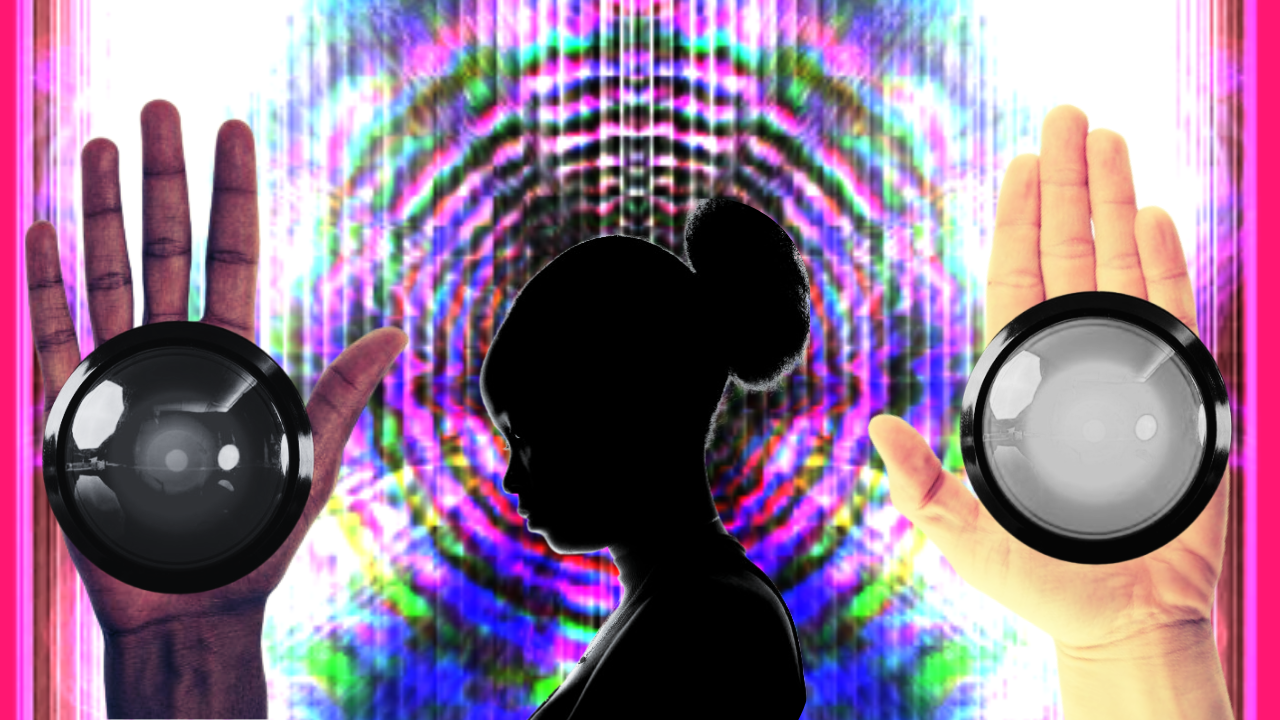
Code-switching is the process of shifting from one linguistic code (a language or dialect) to another, depending on the social context or conversational setting.
It can be as intuitive to some as breathing or walking.
It’s the difference between talking in African American Vernacular English (AAVE) and Standard American English (SAE).
It’s the difference between “isn’t” and ”ain’t”, “finna” and “going to” shol is” and “sure is”
AAVE doesn’t just come from anywhere. AAVE has been passed down for centuries originating somewhere around the 17th and 18th century.
Contrary to what some people may think, it isn’t broken or wrong. What’s spoken echos through history all the way back to the Transatlantic Slave Trade
Enslaved people used this evolving language to share important information with one another and keep their cultural traditions alive, even when faced with violence.
While white culture made fun of the way African Americans spoke and acted in minstrel shows depicting African Americans as lazy, uneducated, uncivilized. This was a main form of entertainment for American all the way into the 20th century when radio and television took over entertainment and civil rights movements made it impossible to remain profitable.
For many centuries the way Africans and African Americans spoke was perceived as uneducated, wrong, and against white standards.
Even then what many white americans grew up hearing and seeing transitioned into the 21st century work place. Using racism as an excuse pass up African Americans when it came time to hire for leadership roles.
In the same way 20th century workers had to code switch to get better jobs still being passed up for a less qualified white person. 21st century Americans have to fight the hood stereotypes. It’s a consistent fight or flight scenario with the stereotypes associated with African Americans.
Many people in current day American associate AAVE with hood slang and don’t even realize that’s a way of real speaking passed down from their ancestors.
Uses and benefits
Code-switching has many uses as it can build rapport, adapting your tone or language fosters trust and creates a sense of belonging among diverse groups
In an interview with Health Magazine, Psychologist Beverly Tatum, PhD, race relations expert and author of “Why Are All the Black Kids Sitting Together in the Cafeteria? And Other Conversations About Race” said
“If someone speaks to another person in a language the other person understands, or in a style that puts that person at ease, the likelihood of making a connection with that person increases,”
Code-switching can give a variety of benefits like job opportunities, social belonging and avoid harsh stereotypes.
Code switching in movies
This clip is from an episode of Big Mouth where Devin is seen talking differently to a stranger than his girlfriend Missy. She claims she’s never heard him talking like that, prompting him to sing a song and show off his physical code-switch dial on his arm with settings like Supa dupa black, liberal white, Devin (himself), and black.
This is a fun representation of code switching and he even emphasizes that no one actually knows what he’s like because he isn’t being himself.
Final Notes
Code-switching is in some cases necessary for survival and has it’s benefits but its important to understand why it’s done. It’s important to know what AAVE is and the history behind it.
While it’s crucial you maintain professionalism no matter what job you have. The #1 rule is that you be yourself, because too much code switching can create a metal burnout and emotional exhaustion.